
An Alpha Leader or a Coordinated Pack: What Works Best in Projects?
Uncover the secrets of effective leadership in this article, inspired by dog training. Explore the key differences between being a boss and a leader, the art of building trust through positive reinforcement, and discover how adapting your approach can create a thriving team.
It’s been almost two years since little Thor (my Boston Terrier) arrived home. It was the first time I’d had a dog for whom I would be the full-time guardian and caregiver. Besides the fun part of having a puppy around, there were all the concerns about his behavior, and I especially loved the idea of him being able to travel with me, go to different places, etc. I understood that I wouldn’t be able to achieve that (and enjoy the process) without training, and I’m not talking about a competitive level, but rather enabling a good life for both of us.
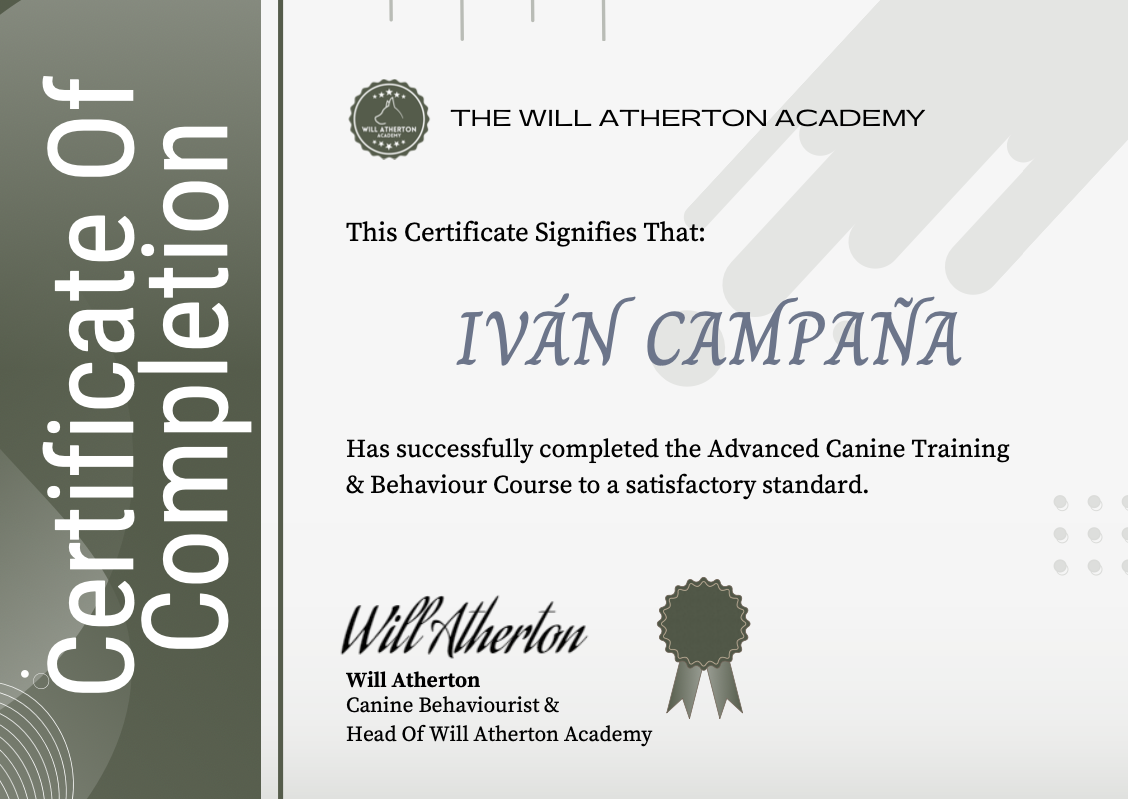
For this reason, I did two things: one was to seek the help of a professional dog trainer, and in addition, I also “trained myself,” learning how the canine training process works. I think I took it a bit further than necessary, but besides being fun, it allowed me to learn much more than I expected.
It might sound strange, but understanding how that process works made me reflect a lot on the successes and mistakes made throughout my own professional career, where working in teams, leading, and organizing are common necessities. And I believe perhaps we can learn something from these furry friends.
Key Takeaways
- Communication: The Difference Between a Leader and a Boss:
- A boss dictates, while a leader guides, much like in dog training. With a dog, you can yell, despair, lose patience, and still not achieve the results you expect, because you fail to communicate what you need correctly.
- In dog training, positive reinforcement helps you associate behaviors you want repeated—meaning you reward when the dog does something you want it to do again. Both humans and animals respond much better to rewards than to punishments. Moreover, it prevents breaking the connection; while introducing punishment might yield some results, they will stem from fear, not trust.
- Earning Trust and Respect:
- In both scenarios, trust and respect are not given; they are earned. Building a relationship with your dog or team involves consistent positive interactions. Demonstrate your reliability and commitment.
- When there’s a threat, your dog and you function as a pack, supporting and defending each other from the threat. The dog, seeing you as the leader, expects you to back them up. Similarly, in a team, the leader is expected to be ready to move with the team and face threats in the same way, defending its members. A distant “alpha” will be forgotten or even easily replaced.
- Positive Reinforcement:
- Dogs respond well to positive reinforcement, as do people. Acknowledge achievements, foster growth, and focus on positive aspects. It’s about creating an environment where success is rewarded.
- What can serve as positive reinforcement for your team? Words of encouragement, a thank-you email upon completing a task, or even offering small (recognized and shared) rewards for the team, all help maintain morale and reinforce the importance of consistently achieving those goals and milestones.
- Effective Communication:
- Communication is key in both situations. Clear and consistent signals are needed in dog training, just as transparent communication is crucial in project management. Everyone must be on the same page. For dogs, visual cues (usually hand signals), auditory cues (keywords that the entire family must know), or even specific movements are used. We aim to avoid confusing them; a dog might be the smartest in the world, but if you tell it to sit by saying: sit, siéntate, sentado, assie-toi, etc., how will it know exactly what you want it to do? Each command must be clear and well-identified, and all family members using the same word and way of asking for things facilitates quick understanding of the message.
- In your work team, does everyone speak the same “language”? Is the communication framework correctly transmitted/shared? In my professional experience, I’ve encountered teams and companies where they didn’t even use the same word to refer to a deliverable. I’ve even seen communication problems between departments because some used certain terms, others used different ones, and ultimately delays occurred because they couldn’t agree on what X or Y represented. The lesson here is not to confuse, to be clear, and to share a common language and common keys.
- Adaptability:
- Dogs, like teams, have different personalities. A one-size-fits-all approach doesn’t work. Recognize individual strengths and weaknesses, and adapt your leadership style accordingly.
- One-size-fits-all solutions proved ineffective long ago. To achieve good results, you need to understand the individual characteristics of your team, and even select team members based on common traits to generate synergy.
- In the case of dogs, don’t choose a puppy just because you like the breed or find it “cute.” You need to understand the characteristics and needs of each breed, and also know the individual temperament of the dog you want to adopt. What is your lifestyle? Is it compatible with the breed’s needs and that dog’s character? E.g., You have a very passive life, live in an apartment, and want to adopt a Siberian husky? A perfect recipe for failure. They are working dogs with very high energy levels and need daily tasks and activities. A low-energy, much more passive dog is what you need.
- Patience and Consistency:
- Training takes time, just like building a high-performing team. Patience in the face of challenges and the consistent application of your methods yield better results.
- Although we’re discussing very different communication barriers, the path is similar in that we’ll likely have to try some things, re-attempt, repeat, and adapt until we find the right way to function as a team, both in our relationship with our pet and with our work team.
- Understanding Motivations:
- Dogs have unique motivations, and so do your team members. Discover what drives them, what makes them excel. Adapt your leadership to align with those motivations. Some dogs like to please and will do anything to see a positive reaction from you; others are very playful and will seek your “approval” by always trying to play with you, bringing you toys, etc.
- In the workplace, what motivates your collaborators? Do you know their aspirations? How can you make that work to your advantage? Perhaps someone wants to learn because they aspire to be an entrepreneur, another might want to be a team leader, while some will not want to leave the technical area because that is their passion.
- Utilize these motivations to place them in the appropriate area within your team; that way, they will be satisfied, and it will be a mutual benefit.
Remember, it’s not about being the alpha, but about creating an environment where everyone can thrive. Leadership is a journey of growth, just like training a loyal companion.